Battery Inspection & Maintenance
Proper battery inspection and maintenance are essential for maximizing battery performance, extending service life, and preventing unexpected failures. Follow the recommended inspection, testing, and charging practices to keep your battery operating at peak efficiency.

Why Regular Battery Inspection Matters
A well-maintained battery delivers better performance, longer service life and improved reliability. Regular inspections help identify potential issues before they become costly problems, reducing the risk of breakdowns and premature battery replacement.
Longer Battery Life
Regular checks and proper service life
Reliable Performance
Reliable starts in all conditions
Important Safty
Catch problems before they worsen
Lower Ownership Cost
Avoid costly replacements
Battery Inspection & Maintenance
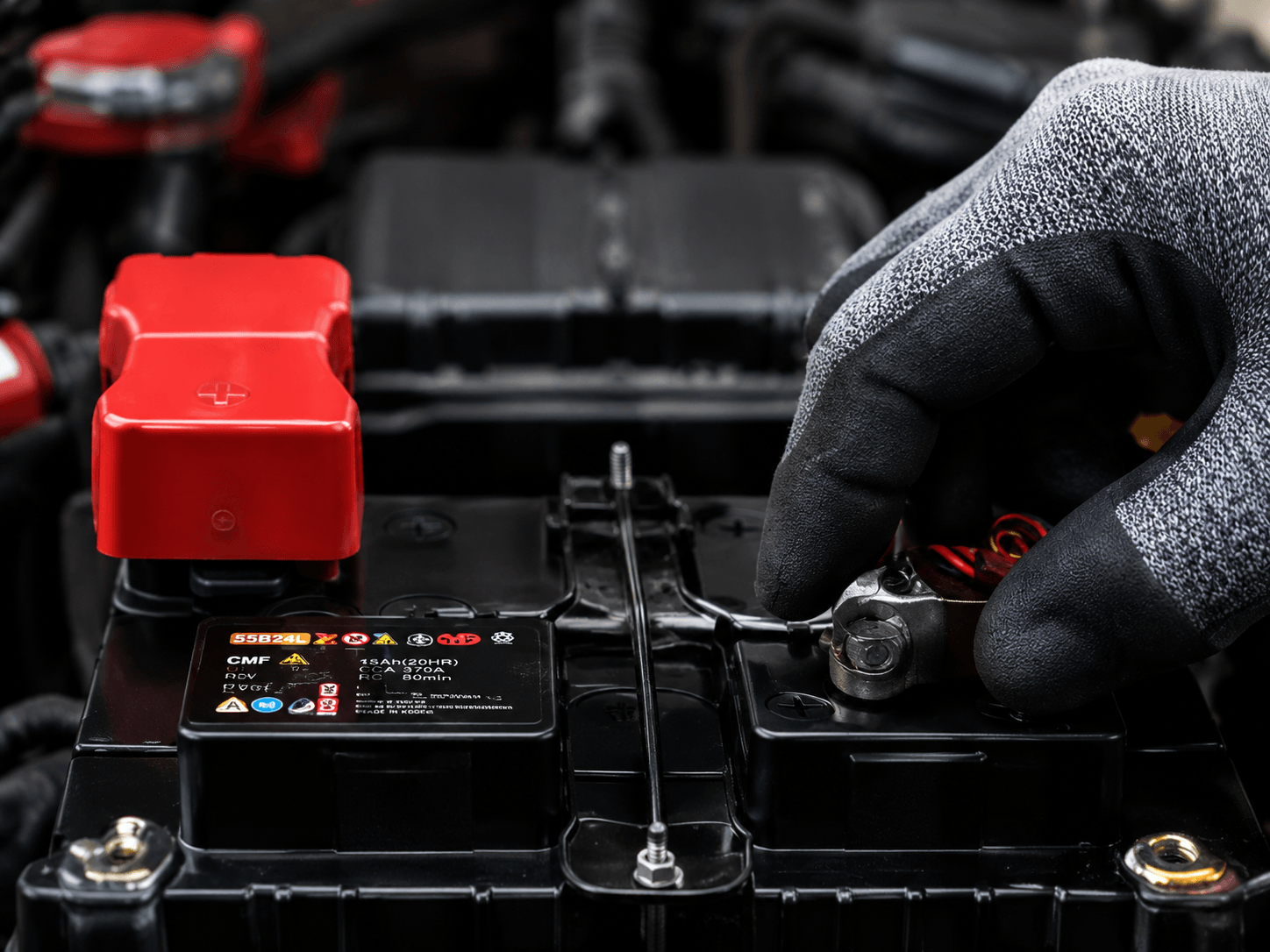
Check the battery's state of charge.
Check the battery's specific gravity, using a State of Charge Indicator or use of hydrometer.
Ensure the battery is clean, dry and free of dirt and grime.
Check the battery posts and cables for breakage, corrosion or loose connections.
Apply a thin coating of high temperature grease to posts and cable connections for added protection.
Inspect the battery case for bulging signs of physical damage or leaks.
Check the battery electrolyte level. If the level indicates the battery has low electrolyte.
It is important to check if the battery has a lot of corrosion electrode covering the battery plates.
Do not using distilled demineralised water and never use tap water.
When servicing a sealed maintenance free (SMF) battery, check the State of Charge Indicator. This gives you the battery's condition.
If the State of Charge Indicator advises "Replace Battery", it is important that the battery is replaced below the plates which can lead to an internal explosion.
For batteries sealed, sealed overfill and premature water loss by storing in a cool, dry place of charge or voltage display.
Should the voltage be below 12.0V replace the battery.
Battery Testing Methods
Hydrometer
- The state-of-charge of a lead acid battery can be determined by the specific gravity (SG) of the electrolyte (its density) compared to water.
- The SG can be measured directly with a hydrometer or indirectly by the floating voltage. Please note the temperature of the acid.
Digital Battery Tester / Conductance Meter
- Microprocessor controlled digital battery testers are easy to use.
- With a battery rating and all battery state data measured the tester works by measuring a small signal through the battery that uses measurements of conductance or resistance (impedance).
Load Tester
- Adjustable load testers are a reliable method to determine the starting capacity of a battery as the test applies a real load similar to the actual application.
- The meter readings can be read like the battery open circuit voltage or voltage drop observed while load testing.
Battery Charging
- Charge a lead acid battery in the process of restoring the energy removed during discharge.
- Use suitable charging method.
- High charge rates should be avoided.
- The amount of energy necessary for a full charge depends on the depth of discharge.
- Typically 110% - 150% of the discharged ampere-hours depending on battery type.
- The charger must be removed or set on float charging mode once the battery is fully recharged.
- Never leave the battery on charge longer than necessary to achieve full recharge.
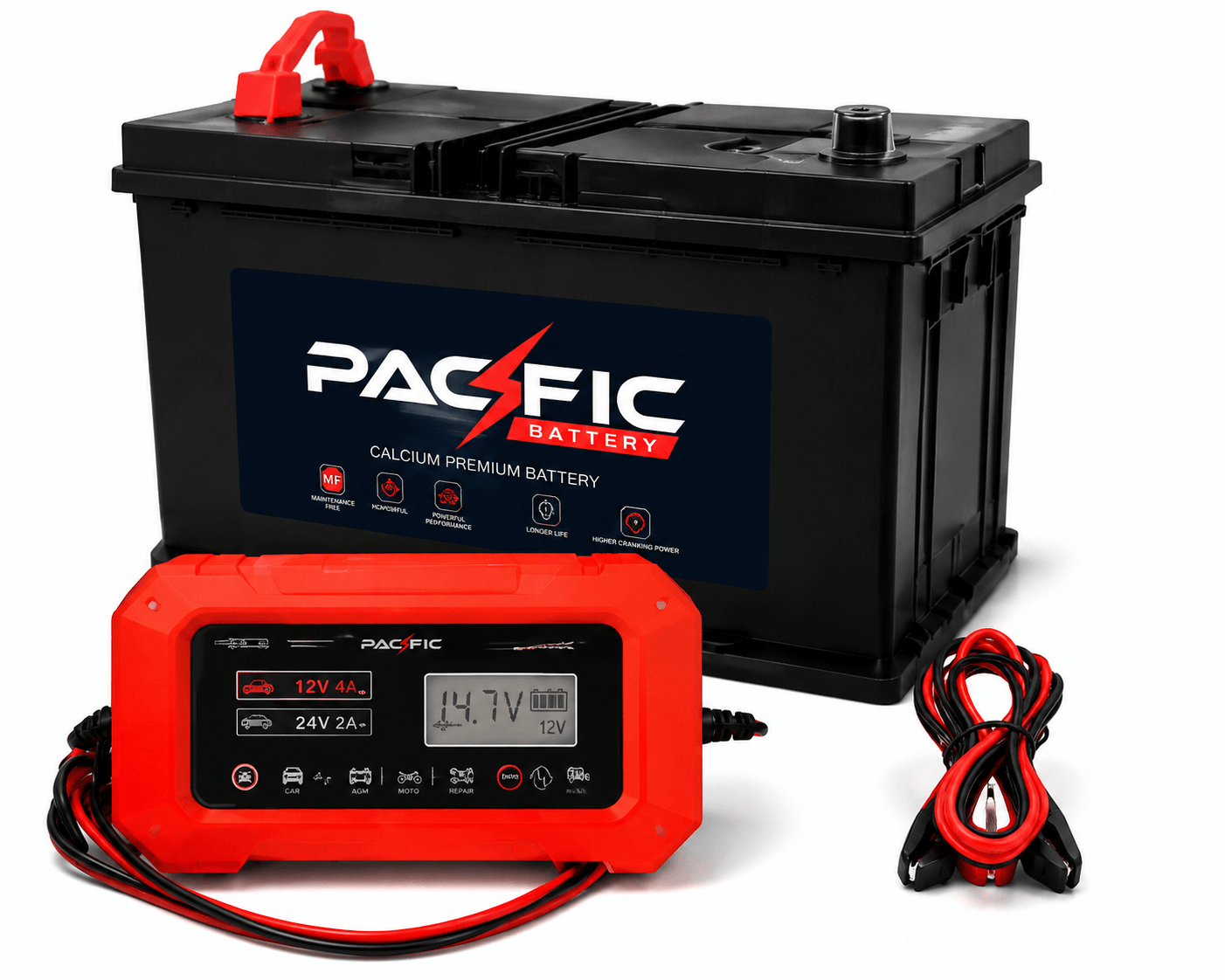
Charger Selection
Lead acid batteries should be charged in 3 stages: constant current (boost), constant voltage (absorption) and float charge.
Flooded Batteries
Flooded, Absorbed Glass Mat (AGM) and Gel battery type require different charging specifications.
AGM Batteries
Performance and service life.
Deep Cycle Batteries
Monitoring battery voltage during charging is extremely important to avoid premature ageing or failure.
Maintenance Charging
Slow charging is the best way to average (sulfate) a battery used in long term storage.
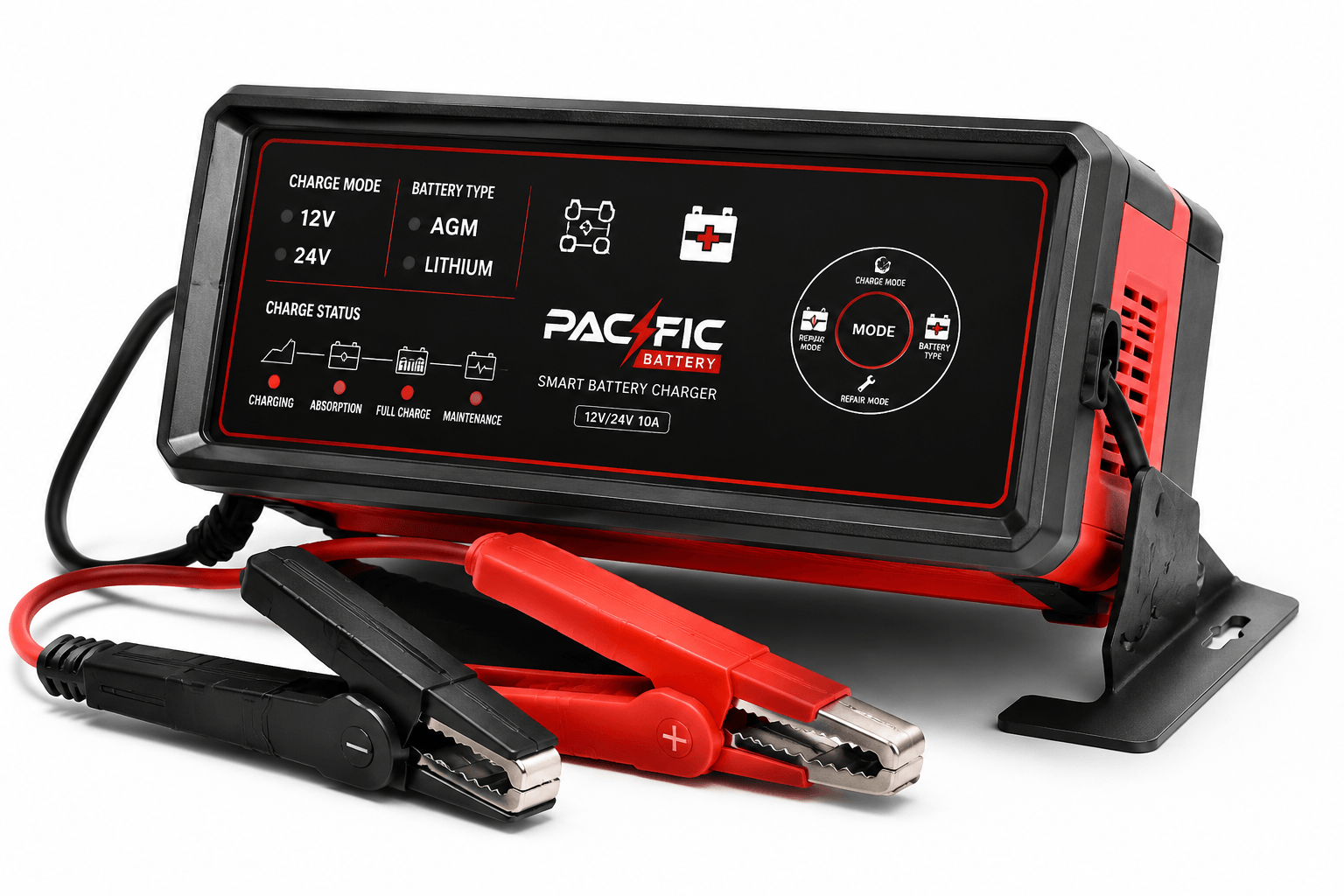
Recommended Charging Guide
The recommended temperature during charging is 25°C. Charging must be paused if the battery reaches 50°C.
The above specifications are for 12 volt lead acid batteries. When charging 6 volt batteries, half the voltage specifications provided.
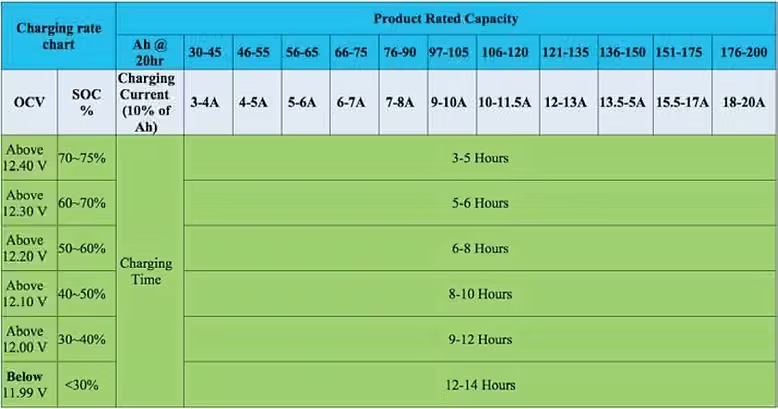
In addition to following the battery charging voltage guidelines, selecting the correct charging current (Amps) for the battery size is crucial for optimal performance and service life.
The recharging duration is difficult to determine due to variables such as:
- Depth of discharge
- Temperature
- Size and efficiency of the charger
- Age and condition of the battery
- For a guide, refer to the content of current charging method table
Important Note
Lorem ipsum dolor sit amet consectetur adipisicing elit. Quod officia velit reiciendis, eveniet dolore at molestias repellendus nihil voluptatibus animi.
Factors Affecting Battery Life
High Temperatures
As batteries age they gradually lose their capacity so their function is shortened. The constant charge and discharge eventually leads to failure.
Vibration
Components corrode over time, electrical shorts occur and vibration causes damage, all eventually causing failure.
Overcharging
Overcharging and undercharging of a battery will also have a bearing on battery life.
Undercharging
Undercharging of a battery will also have a bearing on battery life.
Battery Inspection
- Check electrolyte level - fluid below the top of the separators indicates overcharging or poor maintenance.
- Overcharge condition may be due to incorrect voltage setting, low voltage caused by heat or internal defects, or old age deterioration.
- Is there discoloration on the top of the battery? This can indicate overcharging or overfilling.
- Is the battery loose in the carrier? This can cause electric short.
- Does the battery leak or shows signs of damage or overheating? This can cause failure.
Discharged Batteries (Dead/Flat)
A flat battery should be checked with a hydrometer. A low Specific Gravity reading of 1.120 or less in all cells indicates a discharged battery and it must be charged before further examination and testing can occur.
- The discharged condition may be due to a problem in the electrical system (blowing alternator belt, faulty regulator or alternator).
- Inspect the cable connections. Check the terminals and connectors.
- Internal shorts may also be due to manufacturing defects or overheating.
- If the flat battery has been due to normal usage it will now need to be recharged.
Technical Tips To Avoid Battery Failure
- Normal battery ability to crank the engine.
- Other less codeable factors, such as changed driving pattern and cooler / hotter weather affect the life of the battery.
- Ensure your vehicle's electrical system is in good order and won't overcharge or undercharge the battery.
- When a problem occurs, always test the battery.
- Replace battery once it has always service life & take necessary steps as recommended.
- Battery life in extreme weather, hot or cold becomes shortened in very hot weather and the battery is under strain from air conditioners in hot weather.
- Regular battery checks are always necessary.
Frequently Asked Questions
Regular visual checks are a good way to spot problems early. Check the battery terminals for corrosion, make sure the connections are secure, inspect the casing for cracks, swelling or leakage, and keep an eye on the battery’s overall condition. Periodic inspection can help prevent unexpected starting or performance issues.
Slow engine cranking, difficulty starting, reduced electrical performance, visible terminal corrosion, swelling, leakage or recurring charging problems can indicate that a battery needs attention. If these symptoms continue after basic inspection and charging, have the battery professionally tested to determine whether servicing or replacement is required.
Battery condition can be assessed using tools such as a digital battery tester, conductance meter or load tester. For serviceable flooded batteries, a hydrometer can also help assess electrolyte condition. Testing provides a clearer picture of battery health than relying on appearance alone, especially when starting performance has become inconsistent.
Always use a charger that is suitable for the battery type, capacity and application. Before charging, check that the battery and connections are in good condition and follow the recommended charging specifications. Avoid excessive charging rates or unnecessary overcharging, as these can increase heat and shorten battery life.
Yes. Overcharging can cause excessive heat, water loss in applicable batteries and accelerated internal wear. Undercharging can leave the battery at a low state of charge and may contribute to reduced capacity over time. Using the correct charger and charging method helps maintain reliable battery performance.
Battery life can be affected by high temperatures, vibration, repeated overcharging or undercharging, poor connections and lack of regular inspection. Keeping the battery securely mounted, terminals clean and connections tight, while following appropriate charging practices, can help support a longer and more reliable service life.
Before returning the vehicle to regular use, inspect the battery casing and terminals, check that connections are clean and secure, and test the battery’s state of charge. Batteries can gradually lose charge while sitting unused, so testing before use can help identify whether charging or further inspection is necessary.
Choose a charger based on the battery chemistry, voltage, capacity and intended application. Flooded, AGM and deep-cycle batteries can have different charging requirements, so a charger or charging mode designed for the specific battery type is important. Refer to the recommended charging specifications for your Pacific Battery rather than using a one-size-fits-all charging setting.
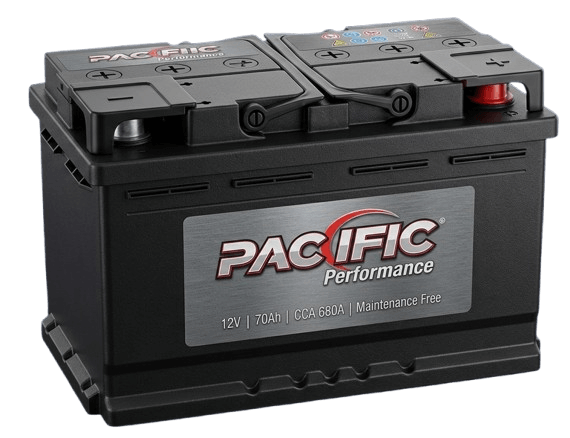
Need Help With Battery Maintenance?
Our team can assist you with battery testing, maintenance advice and selecting the right battery solution for your vehicle, equipment or business.